

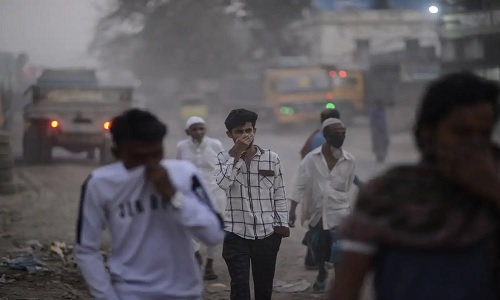
New Delhi: India has allocated more than ₹13,000 crore to tackle air pollution since 2019, but around 68% of the funds were spent on removing road dust, according to the India Air Pollution 2026 report by Earth5R.
The report highlights concerns about how funds intended to improve air quality have been utilised. Road dust is one source of air pollution, but the findings raise questions about the distribution of spending across the broader range of pollution-control measures.
According to the report, air pollution was associated with approximately 20 lakh deaths in India in 2023. This figure was reportedly 43% higher than the number recorded in 2000, underlining the continuing public-health burden linked to polluted air.
Air pollution can affect respiratory and cardiovascular health, particularly among children, older adults and people with existing health conditions. Exposure to polluted air over extended periods can increase the risk of serious illnesses and premature death.
The report also points to the potential benefits of cleaner air for life expectancy. According to the information provided, cleaner air could increase the average life expectancy of Indians by around 3.5 years.
The findings underline the importance of effective pollution-control strategies alongside adequate funding. Measures may include controlling construction dust, improving waste management, reducing vehicle emissions, monitoring industrial pollution and expanding cleaner transport options.
The figures cited in the report highlight both the scale of investment and the continuing health challenges associated with air pollution. How funds are allocated and how effectively pollution-control measures are implemented remain important questions for policymakers.


